
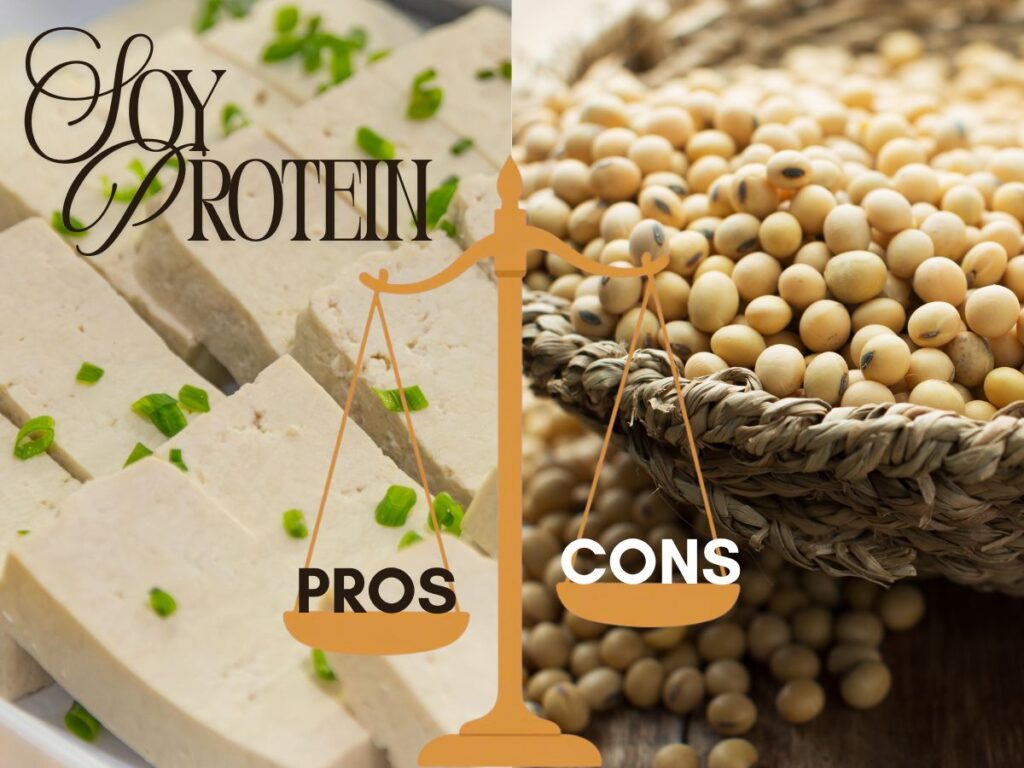
Soy comes from soybeans, which are legumes that have been consumed for centuries, particularly in Asian cultures.
Common soy foods include:
- Tofu
- Tempeh
- Edamame
- Soy milk
- Miso
- Natto
- Soy yogurt
- Textured vegetable protein (TVP)
Soy is one of the few plant foods that is a complete protein, meaning it contains all nine essential amino acids.
Some pros of soy protein are:
1. High-Quality Protein
Soy protein is comparable in quality to animal protein because it contains all essential amino acids so it can support muscle maintenance and repair and it is useful for vegetarians, vegans, and anyone who wants to reduce their meat intake.
2. Heart Health Benefits
Replacing saturated-fat-rich animal foods with soy foods could be beneficial for our cardiovascular health. Soy has been shown to lower LDL (“bad”) cholesterol and improve blood vessel function.
3. Rich in Nutrients
Soy foods are a good source of protein, fibre, iron, magnesium, potassium and B vitamins. Many soy milks are also fortified with calcium, vitamin D and vitamin B12 making them useful alternatives to dairy.
4. May Support Bone Health
Soy contains compounds called isoflavones, which have weak estrogen-like effects. Some studies suggest these compounds can help to maintain bone density and reduce bone loss during menopause.
It is important, though, that we view soy as only one part of our overall bone-health strategy. We also need to think about exercise, calcium, vitamin D, and other sources of protein.
5. Environmentally Friendly
Compared with many animal protein sources, soy production generally requires less land, uses less water and produces fewer greenhouse gas emissions, making it a sustainable protein choice.
Some cons of soy protein are:
1. Concerns About Hormones
Soy contains phytoestrogens (isoflavones), which can weakly bind to estrogen receptors. A common concern is that soy acts like estrogen in the body, but the effects of isoflavones are much weaker than the body’s own estrogen. If consumed in moderation, as part of a balanced diet, then we shouldn’t experience any negative effects.
2. Potential Thyroid Considerations
Soy may interfere with absorption of thyroid medication if consumed at the same time. A simple solution is to take thyroid medication several hours away from soy-containing meals.
3. Soy Allergies
Soy is one of the common food allergens. If you have a soy allergy you may experience symptoms such as hives, digestive upsets, swelling and in severe cases, anaphylaxis
4. Highly Processed Soy Products
Not all soy foods are created equal. Whole and minimally processed options include edamame, tofu, tempeh and miso
More processed options include soy protein isolates, some meat substitutes, and soy-based snack foods
As with any food, the more processed the product, the more important it is to check ingredients, sodium content, and additives.
5. Digestive Issues for Some People
Soy contains fermentable carbohydrates that may cause bloating, gas, and digestive discomfort. The intensity and type of symptoms can vary greatly between individuals.
Fermented soy foods such as tempeh, miso, and natto are often better tolerated.
Current evidence suggests that moderate intake of whole soy foods is safe for most women and that soy consumption is not associated with an increased risk of breast cancer.
Some studies suggest soy may even have protective effects when consumed regularly as part of a healthy diet
Whole food soy is generally preferred over high-dose isoflavone supplements.
Women with a history of hormone-sensitive cancers should discuss individual recommendations with their healthcare provider.
Soy can be used as a replacement for some animal proteins, as a protein boost in plant-based diets but it should be consumed as part of a varied diet rather than our sole protein source.
Listen to my interview with Anton Brink from Radio Cape Pulpit on 25 June 2026 to learn more. Listen to my next interview on Thursday at 7.45am.