
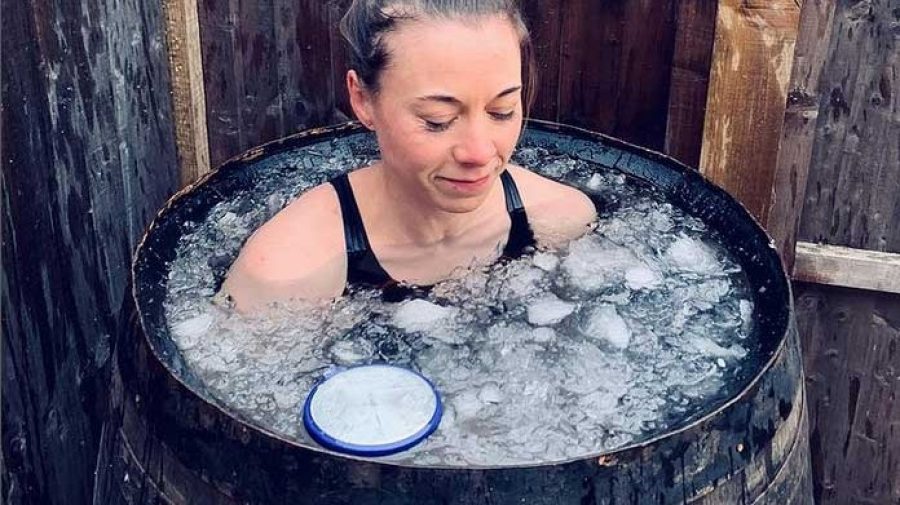
Cold water immersion has gained a lot of attention recently, and while it may seem uncomfortable at first, the benefits can be surprisingly powerful; both physically and mentally.
When we expose the body to cold water, it activates a natural stress response. Over time, this actually helps us become more resilient to stress. It trains the nervous system to stay calm under pressure, which can translate into better emotional regulation in daily life.
Physically, cold water immersion can support recovery. It helps reduce inflammation and muscle soreness by constricting blood vessels and then improving circulation as the body warms up again. This makes it particularly useful after exercise or periods of physical strain.
There are also notable mental health benefits. Cold exposure stimulates the release of endorphins and other mood-enhancing chemicals, which can help improve mood, increase alertness, and even reduce symptoms of anxiety or low mood.
There is also a discipline aspect. Choosing to step into cold water builds mental resilience. It’s a simple but powerful way to practice doing something uncomfortable which can carry over into many other areas of life.
It may support immune function. Regular, controlled exposure to cold has been associated with improved immune response, possibly by increasing the production of certain white blood cells.
In essence, cold water immersion is a practice that brings together body and mind: which can enhance recovery, boost resilience, and strengthen our ability to handle stress.
There are some common misconceptions about cold water immersion. These include:
- “Colder is always better.”
Extremely cold water isn’t always necessary to get benefits. In fact, going too cold too quickly can increase health risks without having any meaningful benefits. Consistency and gradual adaptation matter more than intensity. - “Longer is better.”
Staying in for extended periods doesn’t amplify benefits and can lead to excessive stress on the body. Short, controlled exposures are generally more effective and safer. - “It’s just about mental toughness.”
While discipline is part of it, cold exposure has clear physiological effects. It impacts our circulation, our nervous system, and our inflammatory responses. It’s not simply a willpower exercise. - “It’s safe for everyone.”
This is one of the most important myths to challenge. Cold immersion can place significant strain on the cardiovascular system and isn’t appropriate for everyone. - “It’s the best recovery tool for all situations.”
While it can help reduce soreness, frequent use, especially right after strength training, can blunt some muscle adaptation. Timing and context matter.
Cold water immersion is not for everyone. people who have any of the following conditions should avoid or be cautious with this practice:
- People with cardiovascular conditions
Those with heart disease, high blood pressure, or a history of stroke should be cautious. Cold shock can cause a rapid spike in heart rate and blood pressure. - Individuals with conditions affecting blood vessels
An example of this would be Raynaud’s disease, where cold causes extreme constriction of blood vessels, can make exposure painful or harmful. - Respiratory vulnerabilities
The initial gasp reflex in cold water can be dangerous for people with asthma or breathing disorders. - Pregnant individuals
It’s best to avoid sudden, intense stressors like cold immersion unless guided by a healthcare professional. - People with nerve or sensory issues
Reduced sensation (e.g., neuropathy) can make it harder to gauge how cold is too cold, increasing risk of injury. - Anyone new to the practice
Even healthy individuals should start gradually. They should start with short durations, milder temperatures, and ideally they should not be alone.
Cold water immersion is a stress. Like exercise, it can be beneficial in the right dose, but harmful if overdone or applied in the wrong context. The goal isn’t to “endure the cold,” but to work with it in a controlled, respectful way.
This blog was covered in an interview with Anton Brink from Radio Cape Pulpit on 23 April 2026. The podcast is currently unavailable but you can tune in every Thursday at 7.45am to listen to our discussions.