
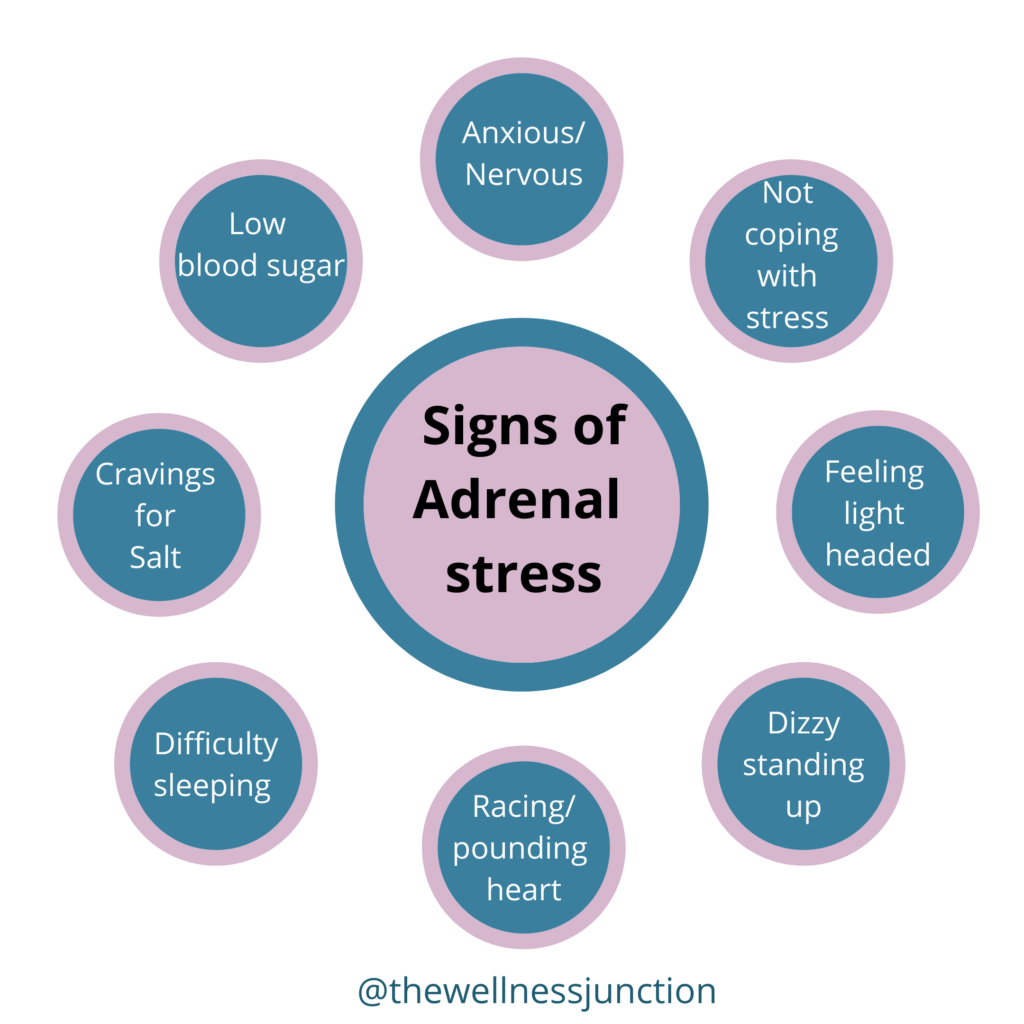
Adrenal Fatigue is a term often used to describe a collection of symptoms, like ongoing tiredness, poor stress tolerance, disrupted sleep, and cravings, that are thought to arise after prolonged or chronic stress.
The idea is that the adrenal glands, which produce hormones like cortisol, may struggle to keep up with the body’s demands, leading to imbalances in energy regulation and the stress response.
Many people use the term adrenal fatigue, but it is actually more accurately defined as adrenal insufficiency or stress-related burnout.
The symptoms commonly associated with adrenal fatigue may include persistent tiredness and low energy, difficulty falling asleep or waking feeling unrefreshed, and challenges with concentration. Some individuals may also experience low mood, anxiety, or frequent cravings for sugar, salt, or refined carbohydrates. Many of the people that struggle with adrenal insufficiency have a constant sense of fatigue, despite having had a full night’s sleep and they will often find themselves reaching for caffeine or sugary foods just to get through the day.
The reason we can crave salty foods when our adrenals are struggling is because the balance of aldosterone, which is another adrenal hormone that helps regulate our sodium and potassium levels and influences our hydration and blood pressure levels gets disrupted. In the body’s attempt to maintain proper levels we can crave salty foods, but this alone may not resolve the issue and can sometimes worsen symptoms like fatigue.
Maintaining stable blood sugar levels becomes even more essential if you are struggling with fatigue. Eating small, regular meals that include balanced portions of healthy carbohydrates, proteins, and fats can support more consistent energy levels. Eating a balanced diet with healthy fats, proteins, green vegetables and small quantities of low glycaemic carbohydrates such as sweet potato, oats, pumpkin, brown rice, and whole grains may be beneficial.
Chronic or prolonged stress is often considered a key contributing factor. One of the earliest signs may be a noticeable drop in energy levels, making it harder to stay focused, complete daily tasks, or engage in physical activity. Some people also experience muscle weakness or body pain, which may even make exercise feel overwhelming.
Many people with a cortisol imbalance can have a disrupted sleep/wake cycle. They will struggle to wake up in the morning, will feel sluggish during the day, and then they get a surge of energy later in the afternoon or evening, which prevents them from falling asleep. Their cortisol is often too low in the morning to promote alertness, and too high later in the day, making it difficult to unwind and sleep deeply.
Salivary cortisol testing is sometimes used to measure hormone levels at different points throughout the day, helping to identify patterns of imbalance. Blood tests are also available to test cortisol levels.
Addressing lifestyle factors is key. Reducing or eliminating caffeine and refined sugar can help stabilise energy levels. While exercise remains important, it should be approached gently—enough to support the body without adding further strain.
Listen to my interview with Anton Brink from Radio Cape Pulpit on 7 May 2026 to learn more. Listen to my next interview on Thursday at 7.45am.